

Visalaw Team
Artificial intelligence is rapidly transforming how immigration lawyers manage documents, communicate with clients, and stay current with constant policy changes. In a recent Immigration Legal Tech Conversations episode presented by Visalaw AI, legal professionals explored how AI-powered translation and summarization tools are already reshaping day-to-day immigration practice—and what lawyers should consider when adopting these technologies responsibly.
Artificial intelligence is rapidly transforming how immigration lawyers manage documents, communicate with clients, and stay current with constant policy changes. In a recent Immigration Legal Tech Conversations episode presented by Visalaw AI, Greg Siskind, Jason Susser, and Ian Schiller explored how AI-powered translation and summarization tools are already reshaping day-to-day immigration practice and what lawyers should consider when adopting these technologies responsibly.
Immigration law involves massive volumes of documentation. Lawyers routinely receive 100–300 page government memos, policy updates, and client evidence packets, often in multiple languages. Traditionally, reviewing these materials meant hours of manual reading or relying on staff and outside translators to create summaries.
This workflow is not only slow but expensive. Certified translations can cost hundreds or even thousands of dollars, especially when entire documents are translated before determining which portions are truly relevant to the case.
AI tools now provide a more efficient first step.
One of the most valuable insights from the discussion is how AI summarization tools help lawyers quickly understand large documents before conducting a full legal review. Instead of reading every page, attorneys can generate:
These tools are especially useful when new government policies or executive orders are released. Lawyers can quickly identify what changed, where immigration is referenced, and what agencies or benefits are impacted, allowing them to prepare for client calls or draft advisories the same day.
AI summarization doesn’t replace legal analysis, but it dramatically improves efficiency by providing a reliable first draft that attorneys can verify and refine.
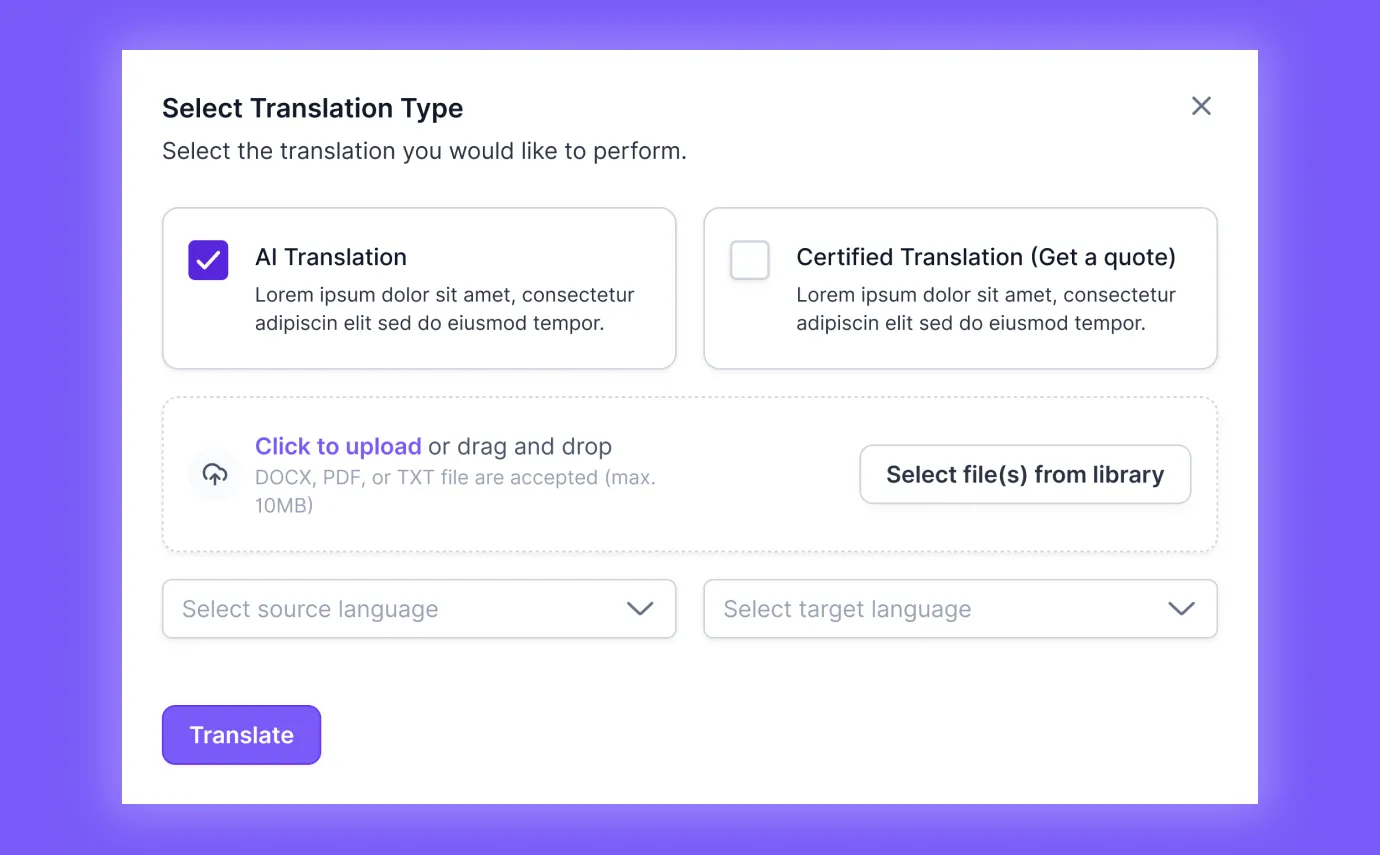
The conversation also highlighted a major shift in how immigration lawyers approach translation. Rather than immediately ordering certified translations for entire documents, AI can be used to:
This approach saves time and reduces unnecessary costs for clients. Instead of translating 300 pages, lawyers may discover that only 10 pages contain key evidence or facts.
Greg Siskind emphasizes that certified translations are still essential in many cases, but AI helps lawyers make smarter decisions about when and how much translation is truly required.
A live demonstration in the video showed how lawyers can test translation quality by running translations across different AI models. For example, translating a document using one model and then translating it back into English using another can reveal whether important meaning or nuance was lost.
This technique is especially useful for non-confidential materials or internal review. It helps lawyers gain confidence in the translation before relying on it for case preparation or client communication.
Greg, Jason, and Ian also talked about emerging AI tools for real-time voice translation during client consultations. While many of these tools are still being developed or refined, they have the potential to reduce scheduling issues, eliminate the need for third-party interpreters in some situations, and improve the flow of communication between lawyers and clients.
Multilingual avatar technology was another emerging trend discussed. Lawyers can now record a message once and generate versions in multiple languages, preserving tone, lip movement, and clarity. When used transparently and ethically, these tools can support client education, outreach, and marketing efforts.
Throughout the conversation, one theme remained clear: lawyers must stay in the loop. AI outputs should always be reviewed, verified, and used responsibly. Confidential client materials require secure tools that meet professional standards for privacy and compliance.
AI is not a replacement for legal judgment—but when used correctly, it is a powerful assistant.
AI is no longer experimental in immigration law—it’s becoming foundational. Tools that once felt futuristic are now everyday solutions helping lawyers work faster, communicate better, and serve clients more effectively.



 View all blogs
Subscribe below to receive tips for using AI in immigration law, product updates, and relevant news in immigration.

Memphis, TN